
The use case at a glance
- The brief
- Javier asked his kids, Lukas and Lucia, if they like Kaiserswerth, where they go to school. Their answer: "Yes. But it could be more fun." That was the brief.
- The approach
- Picture first, code second: six target images set the look, one corner is built until it matches, and only then does the town grow. Javier plays every build and says what's wrong. A team of AI models works from one shared state file, and nothing goes online without his word.
- Tools
- Claude Code, Claude Opus 5.5, Claude Sonnet 5.5, OpenAI Astra (GPT-6 Astra, via Codex CLI), Gemini 3.1 Pro, Gemini 3.8 Flash, Qwen 3.6 on Ollama, Higgsfield, GPT Image 2.5, Meshy v7, Magnific, ElevenLabs, three.js, Rapier, OpenStreetMap, Street View, GitHub, Vercel
- The result
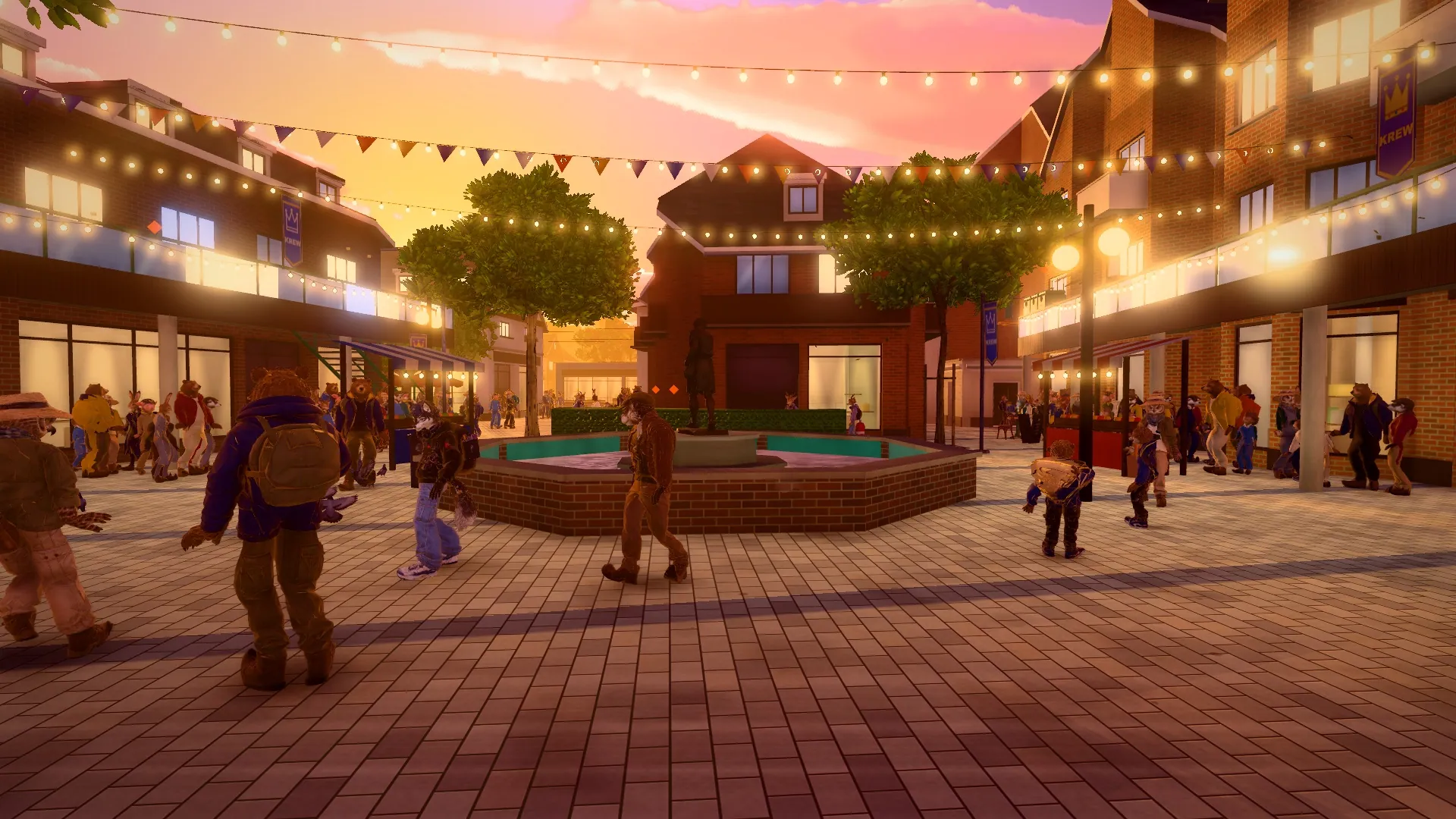
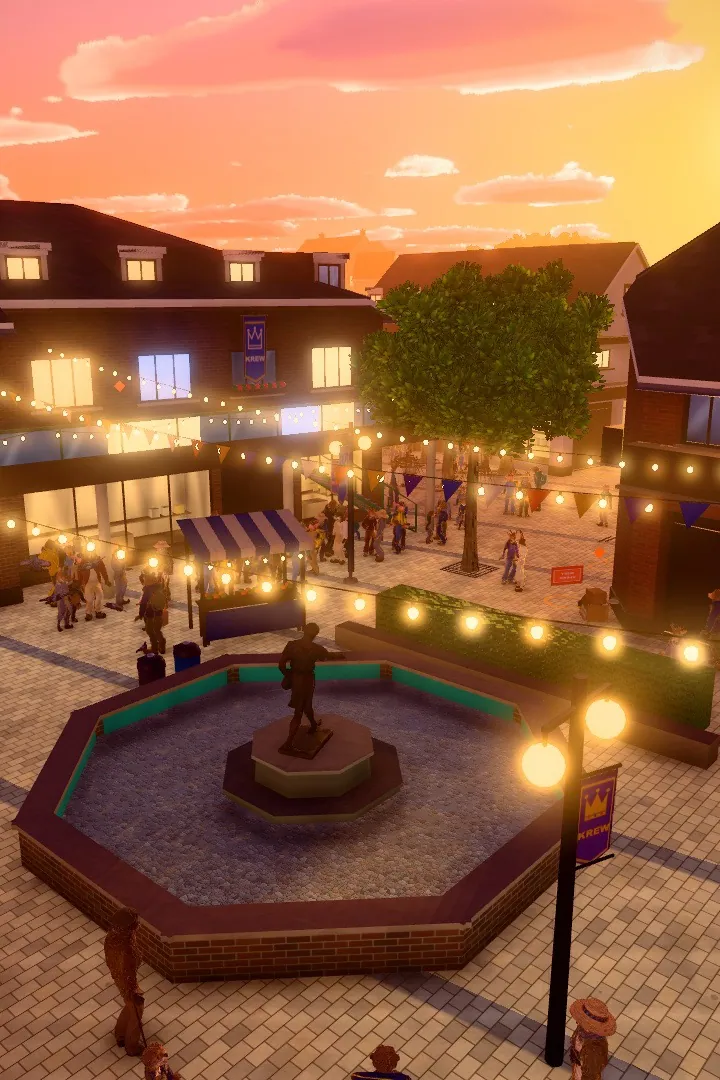
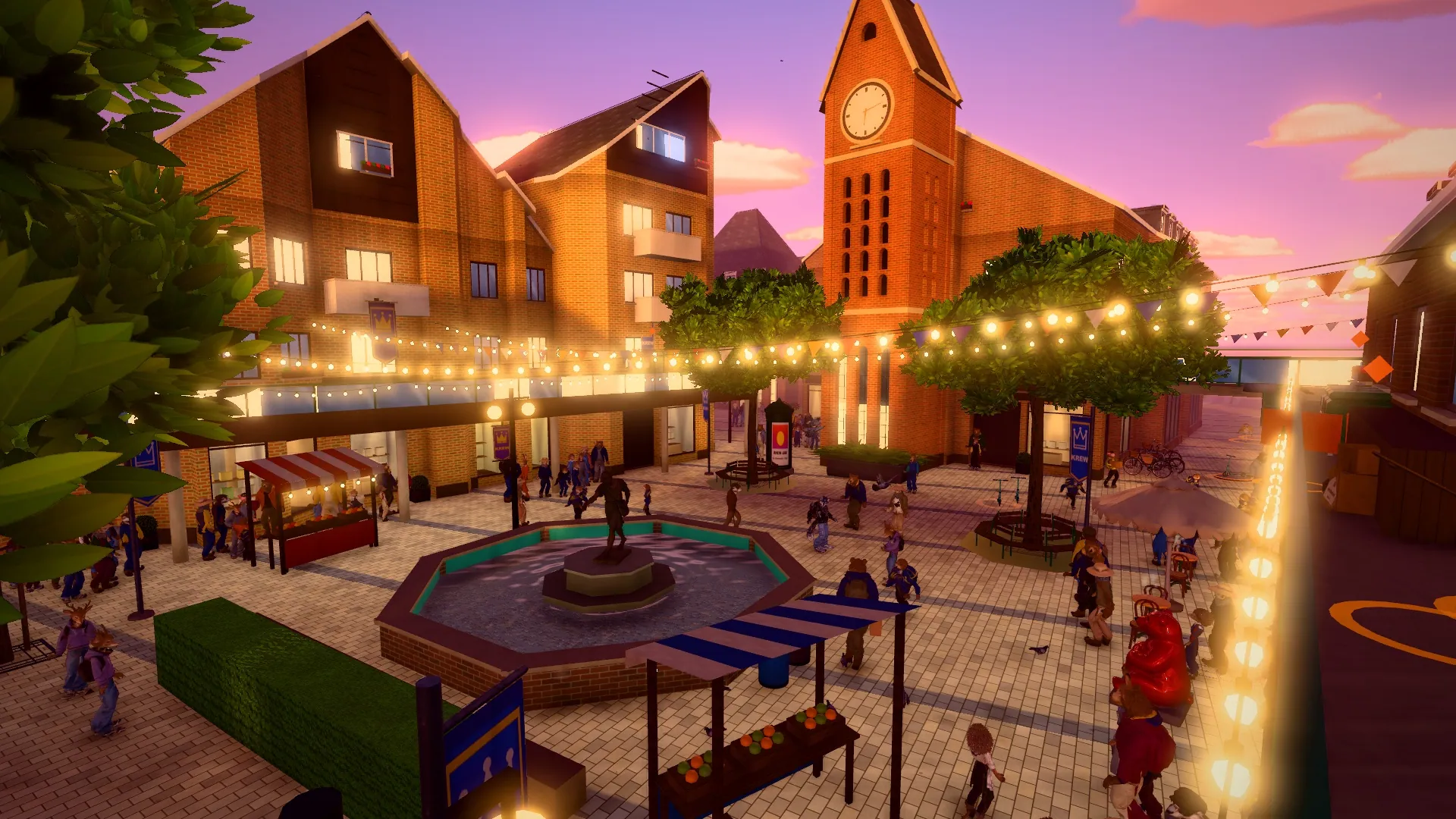
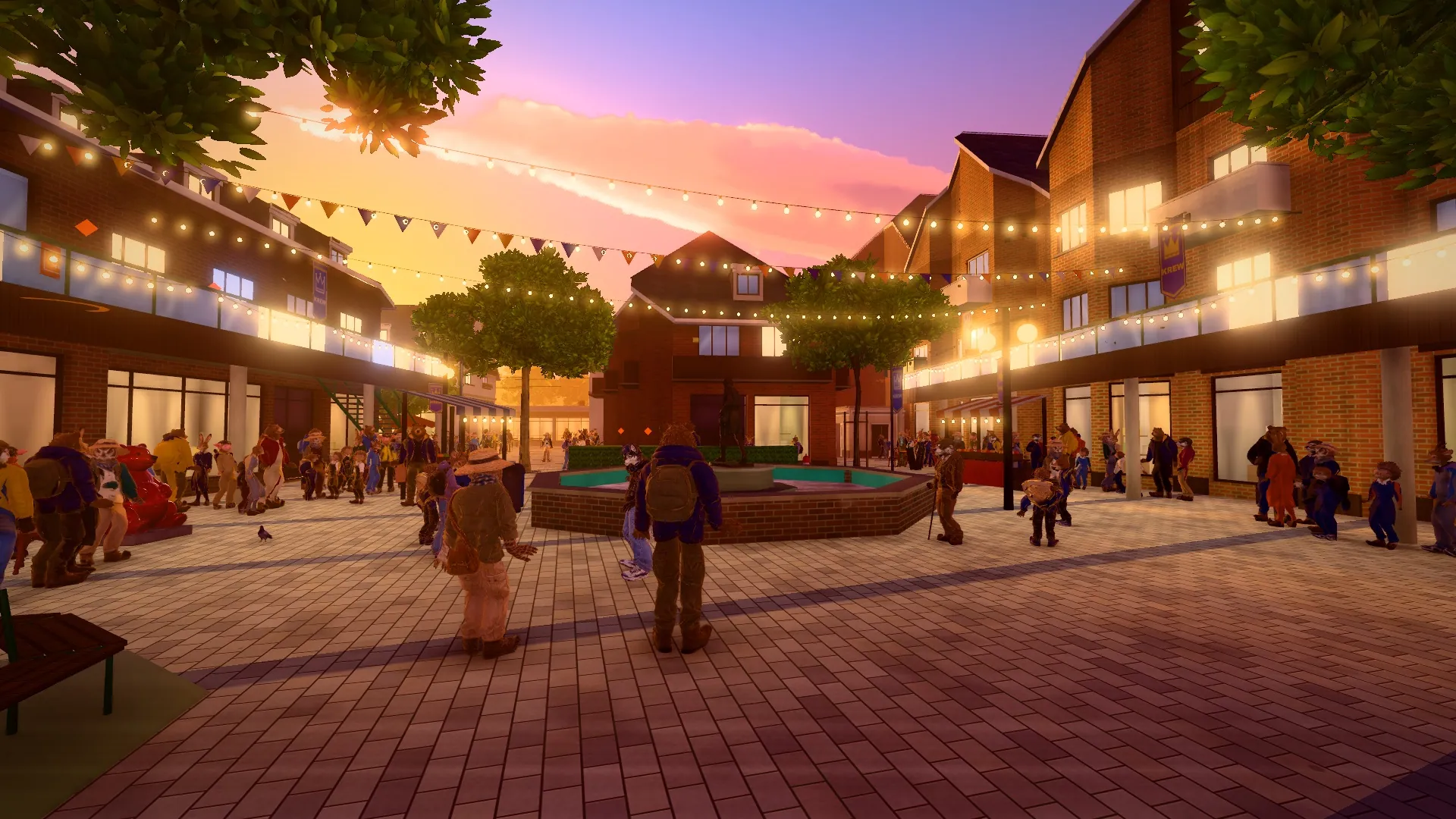
- KAISER KREW, a 3D street-sports builder game set in the real streets of Kaiserswerth, made in four days by one person and a team of AI models. It plays in the browser on laptop and phone. Version four is next: race mode, badges and score tables.
A REAL TOWN. REBUILT WITH AI. TURNED INTO A PLAYGROUND.
THE IDEA
IT STARTED WITH A QUESTION
I asked my kids, Lukas and Lucia: do you like Kaiserswerth? That is where they go to school every day. They answered with a short: Yes. But it could be more fun. That was the brief.
I teach my kids AI. Not as a toy. As a tool to build things. To tell stories. To create.
So I built the town they asked for: KAISER KREW, a builder game somewhere between GTA, Fortnite and Tony Hawk, set in the real streets of Kaiserswerth.
THE CREATIVE PROCESS
PICTURE FIRST. CODE SECOND.
Before one line of code, six target images. Made in Higgsfield with GPT Image 2.5, 16:9. Every prompt combines three references: a real Street View photo of the place, an art style, a character.
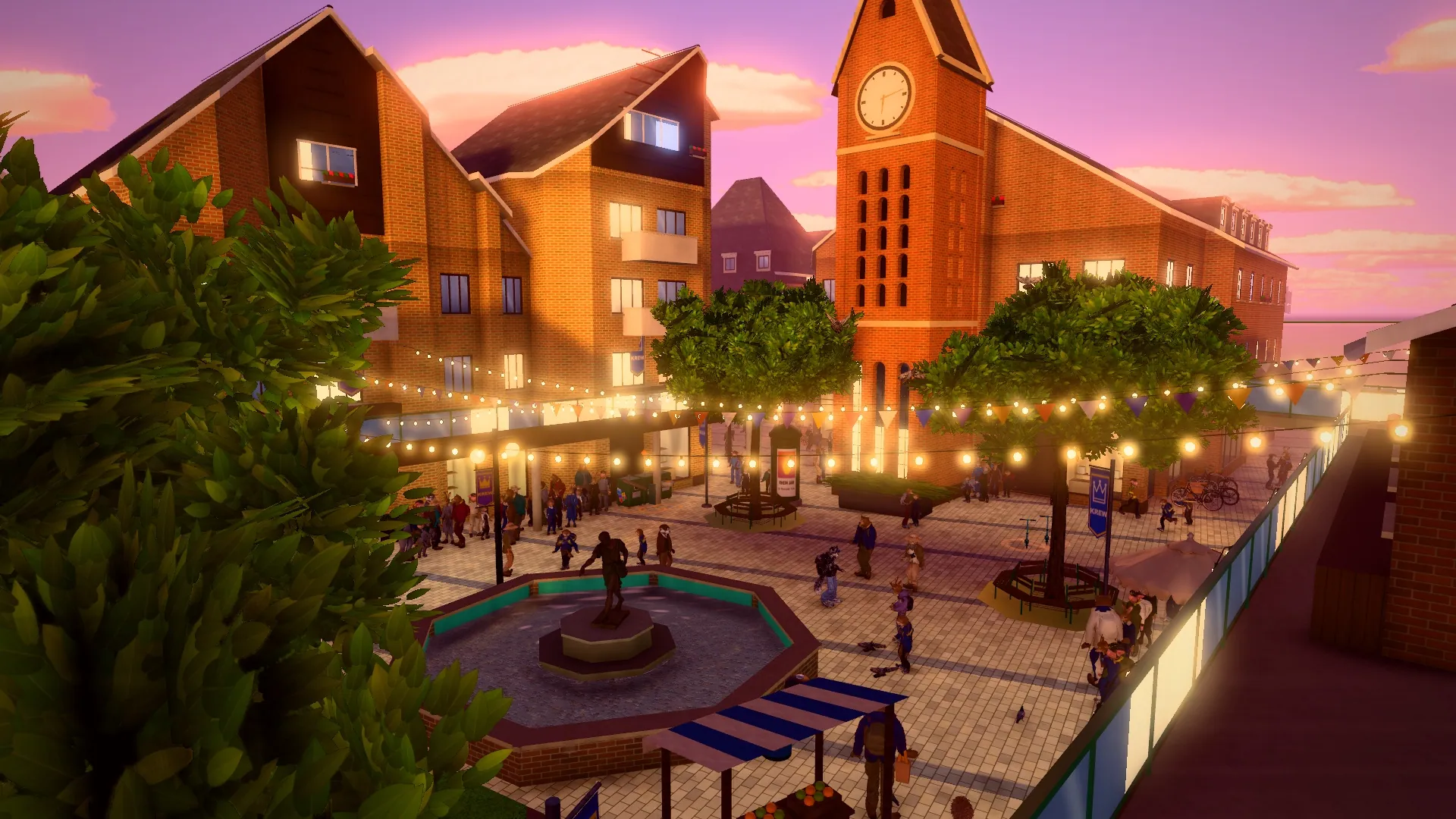
Real prompt, shortened: "In-game screenshot of a premium stylized 3D open-world action-sports game (Fortnite / modern Unreal stylized quality). Location: Klemensplatz in Kaiserswerth from the FIRST reference photo, recognizable, rendered in the painted art style of the SECOND reference at sunset with warm lamps glowing. Gameplay: the teen lion boy from the THIRD reference rides a player-built zipline across the square; below, a crowd of animal townsfolk cheers; another teen on a BMX hits a quarter pipe built by players …"
Then: build one corner until it matches the picture. Only then grow the town. Every change goes next to the target image or the real photo. Before, after, better or not.
I play every build. I say what's wrong, straight. Each decision goes into one table every model must follow. My job is the eye: what works, what doesn't, where the story goes.
Target Images & Designs
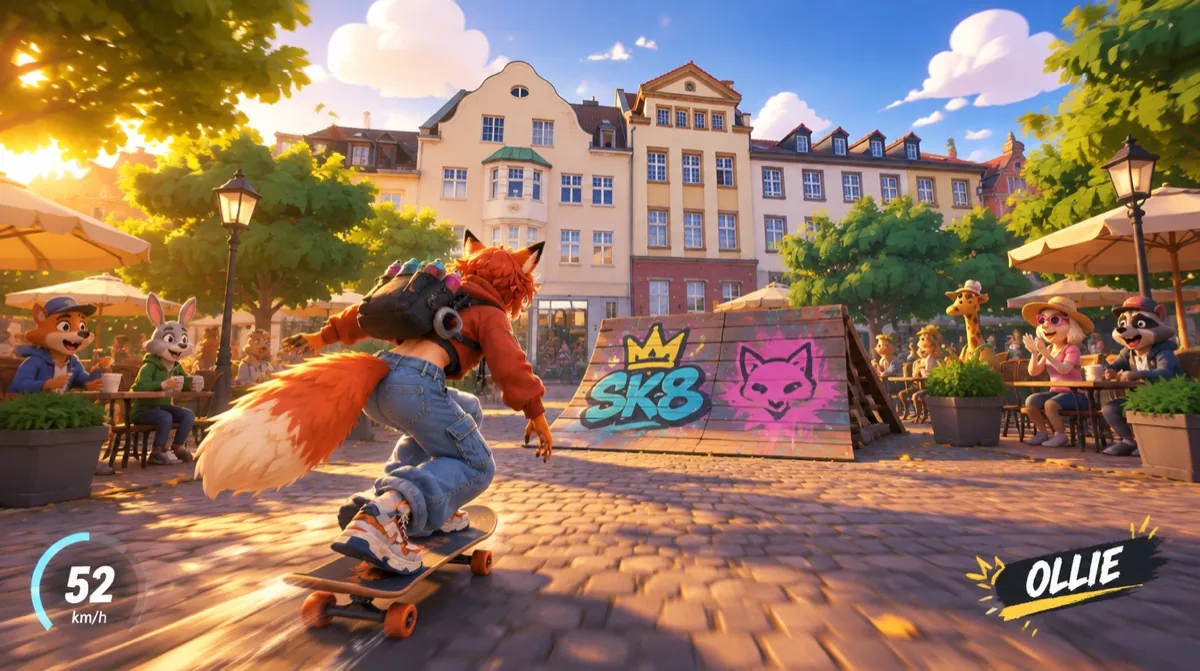
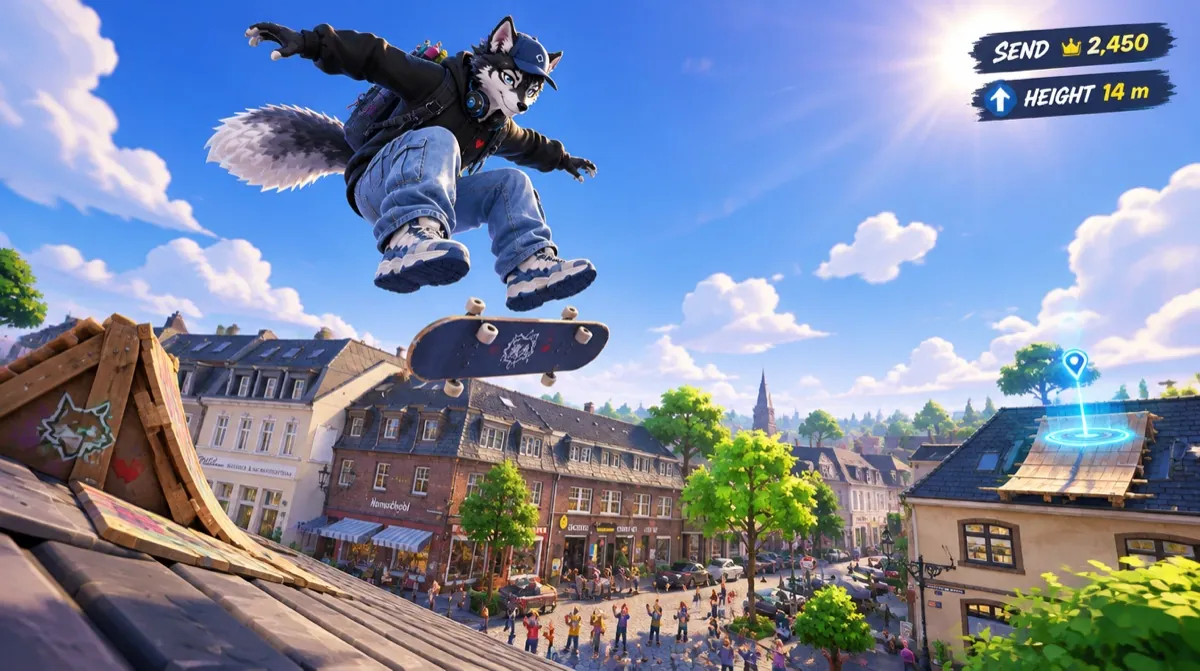
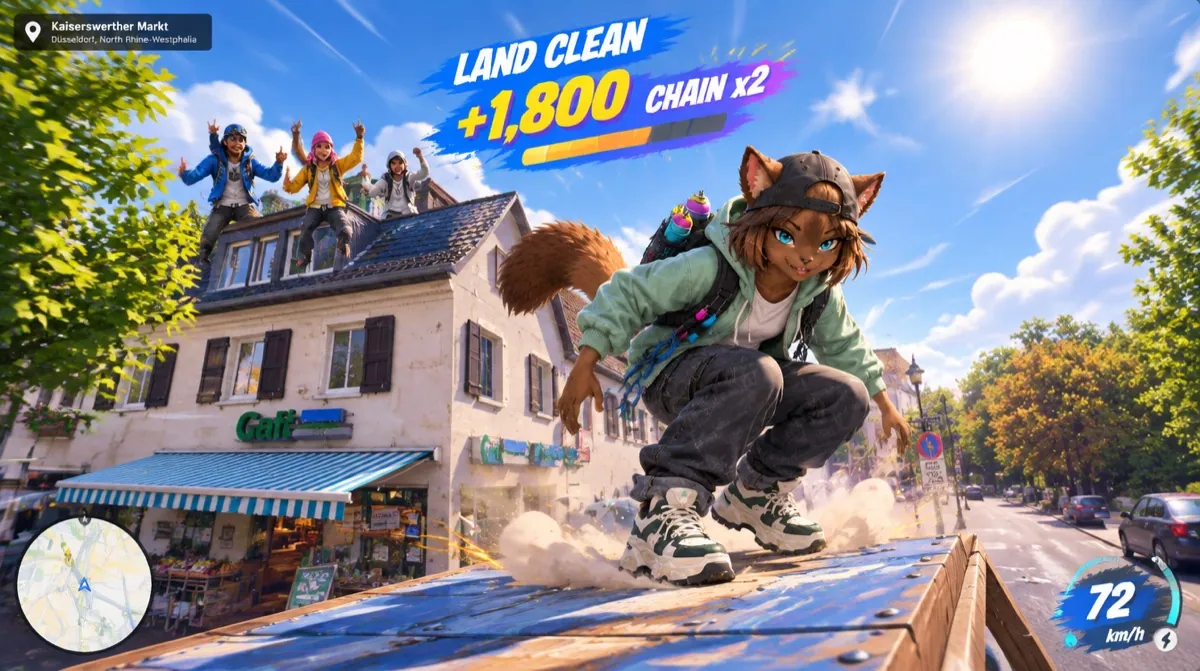
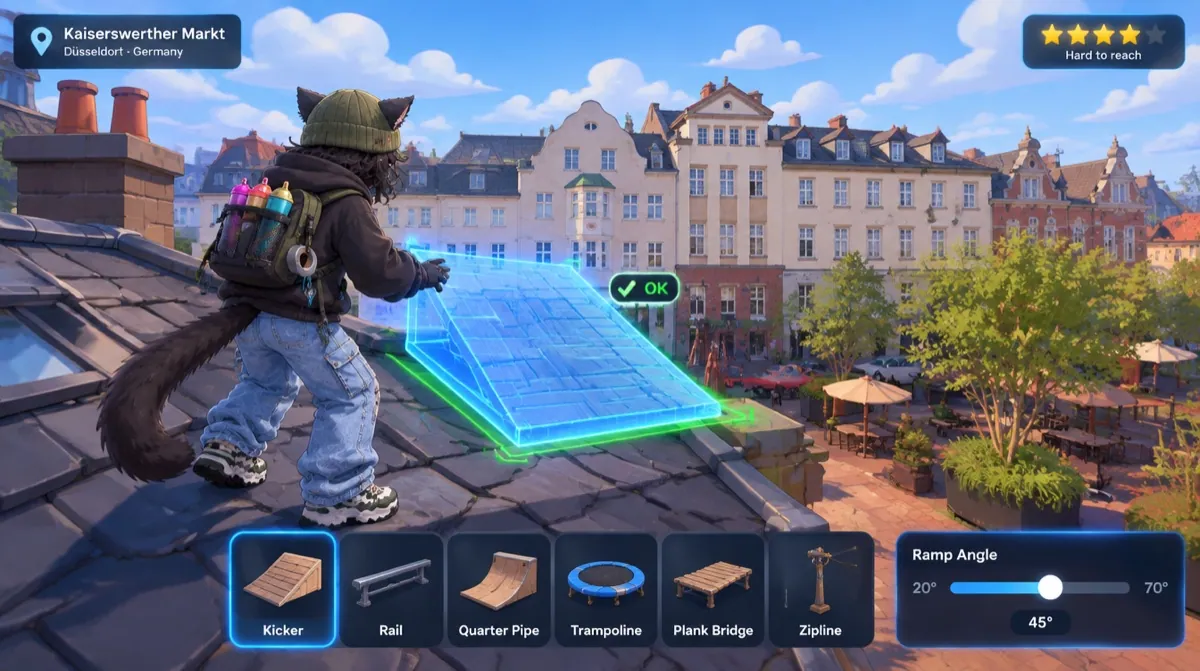
Six target images set the look
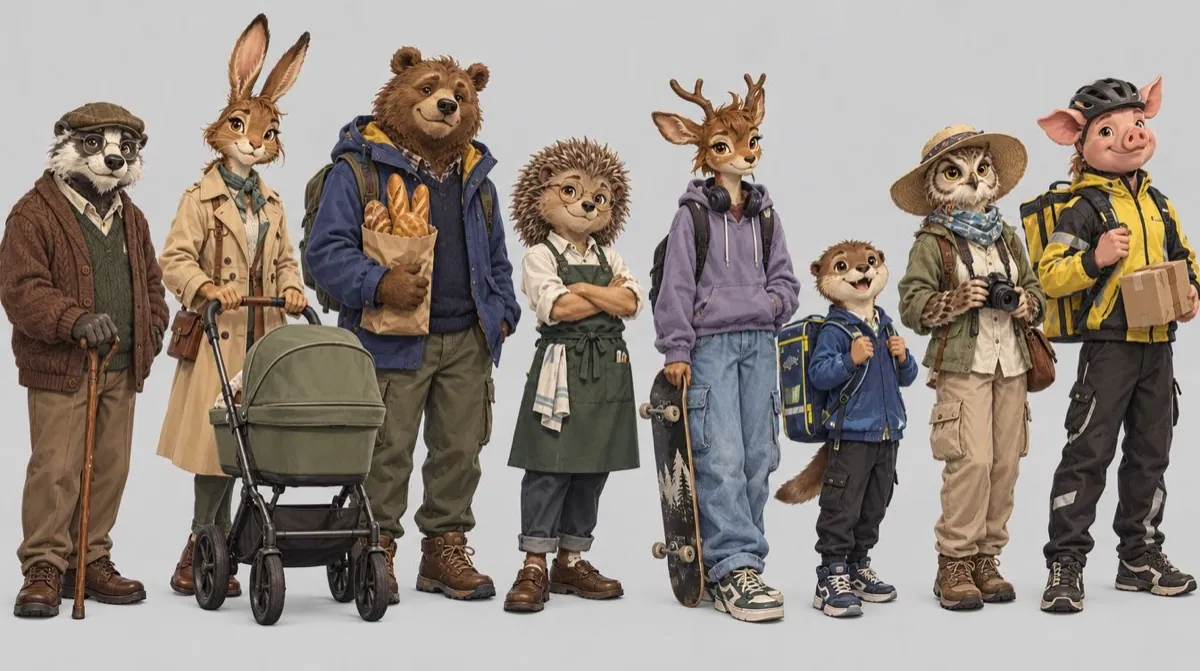
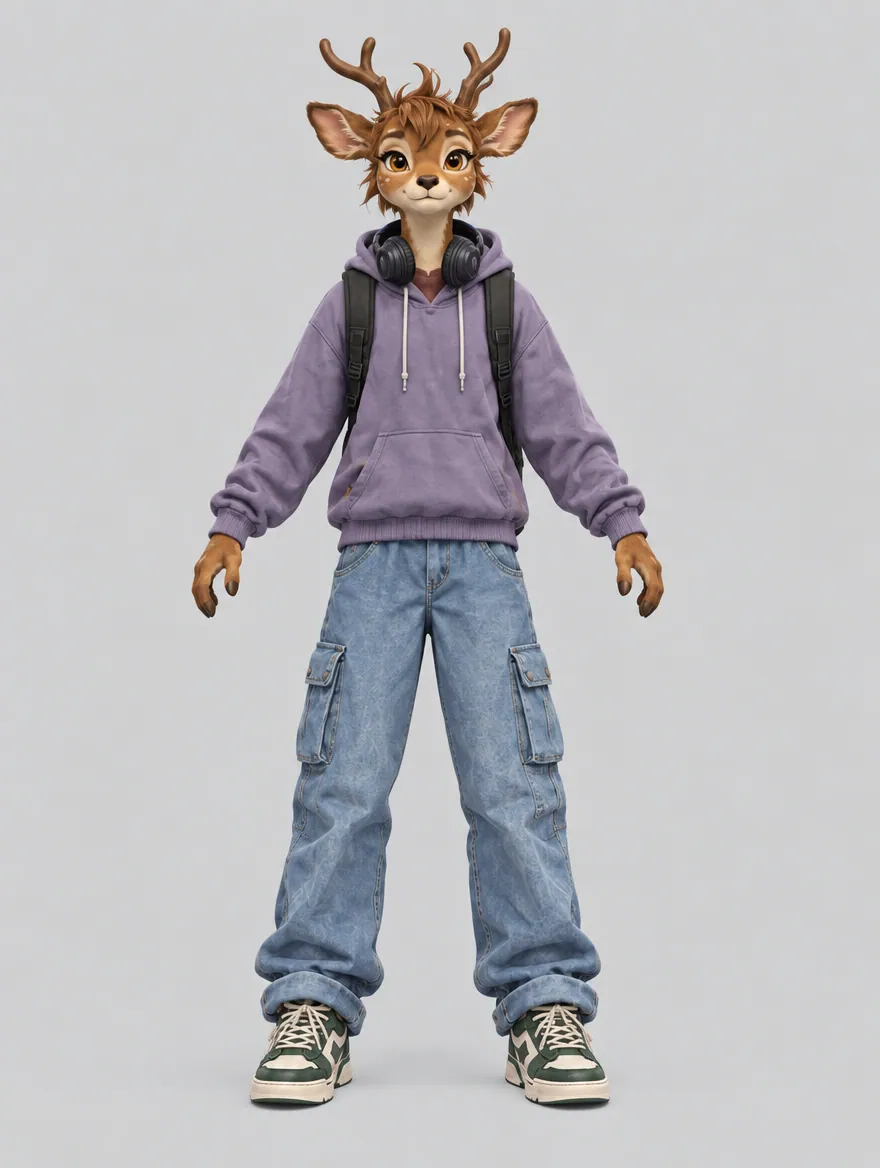
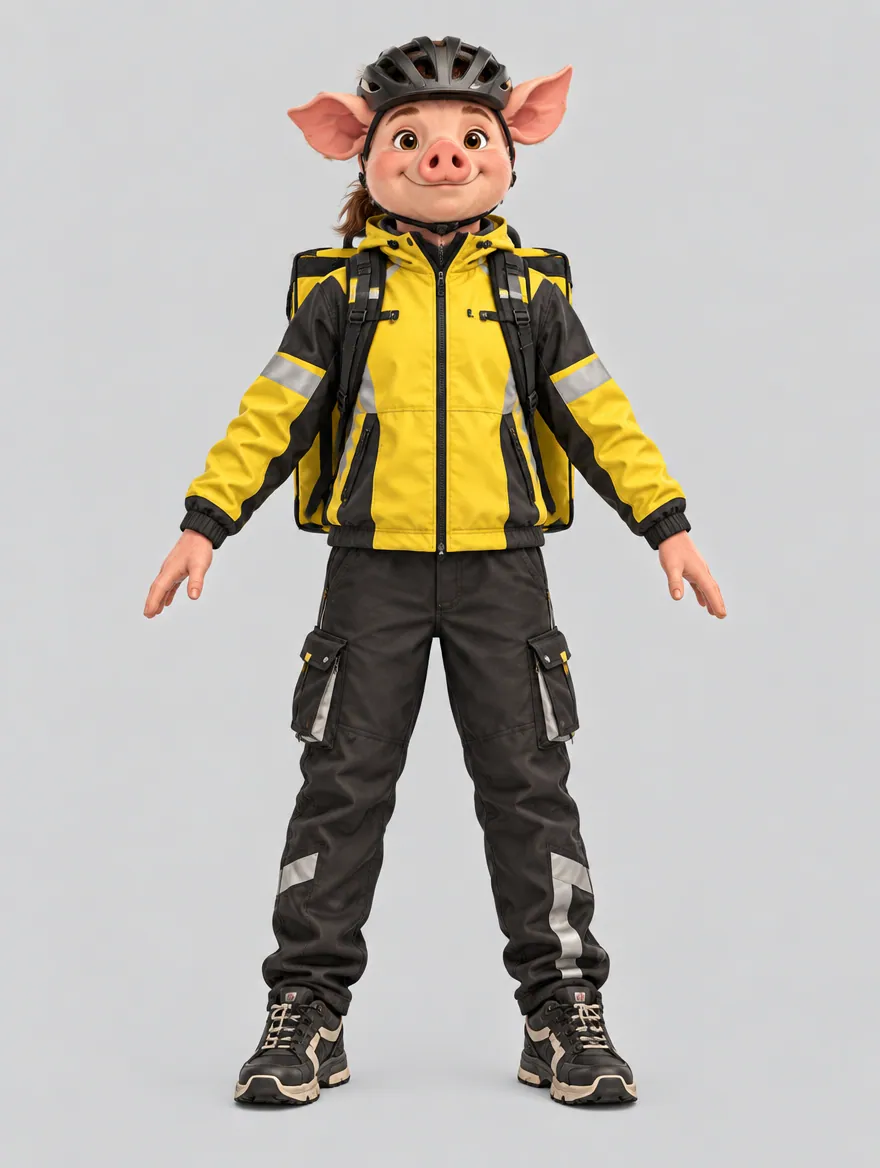
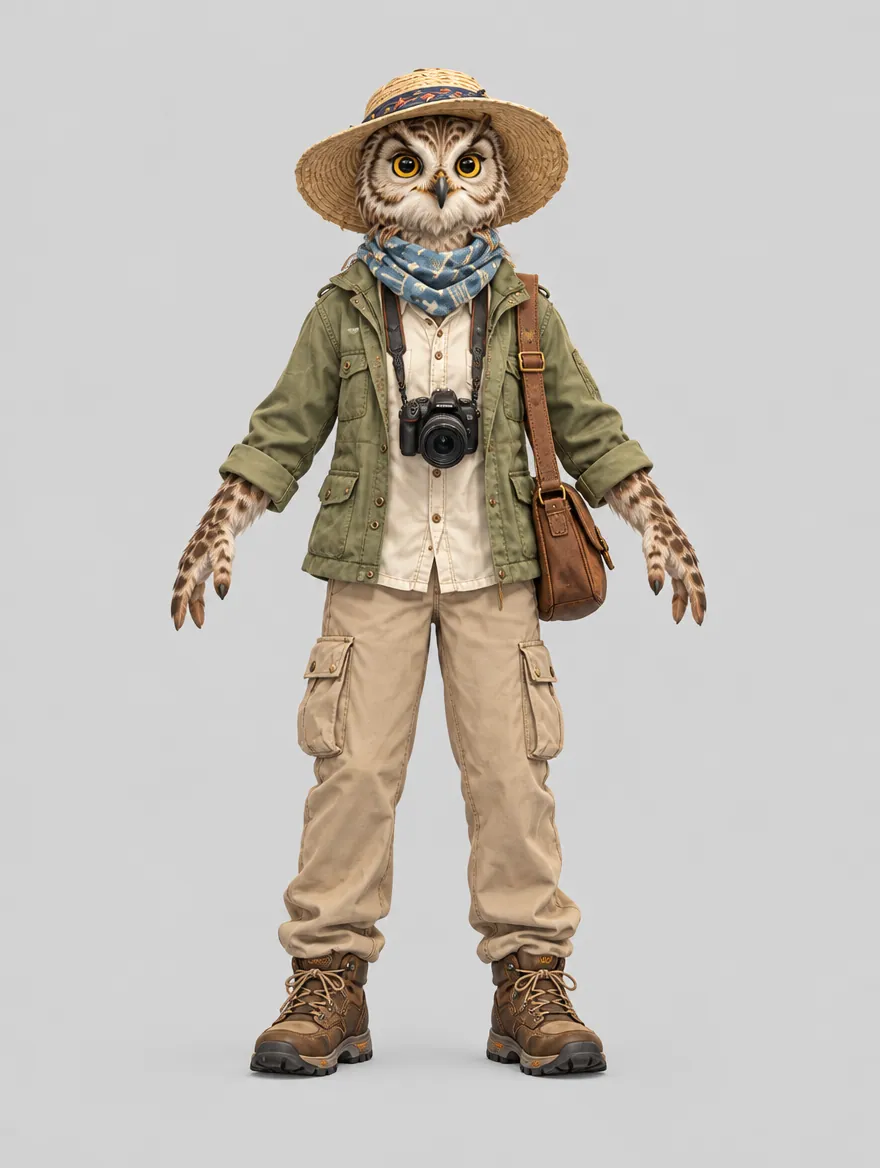
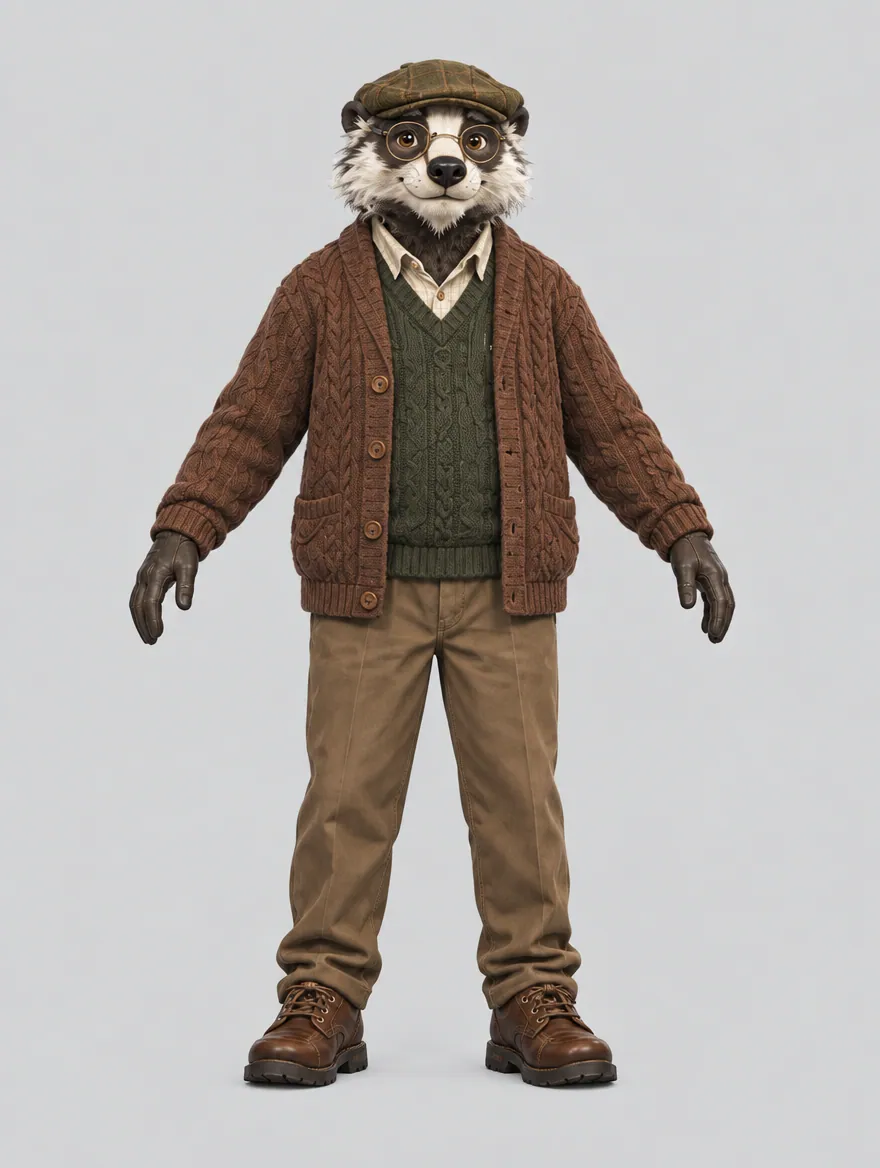
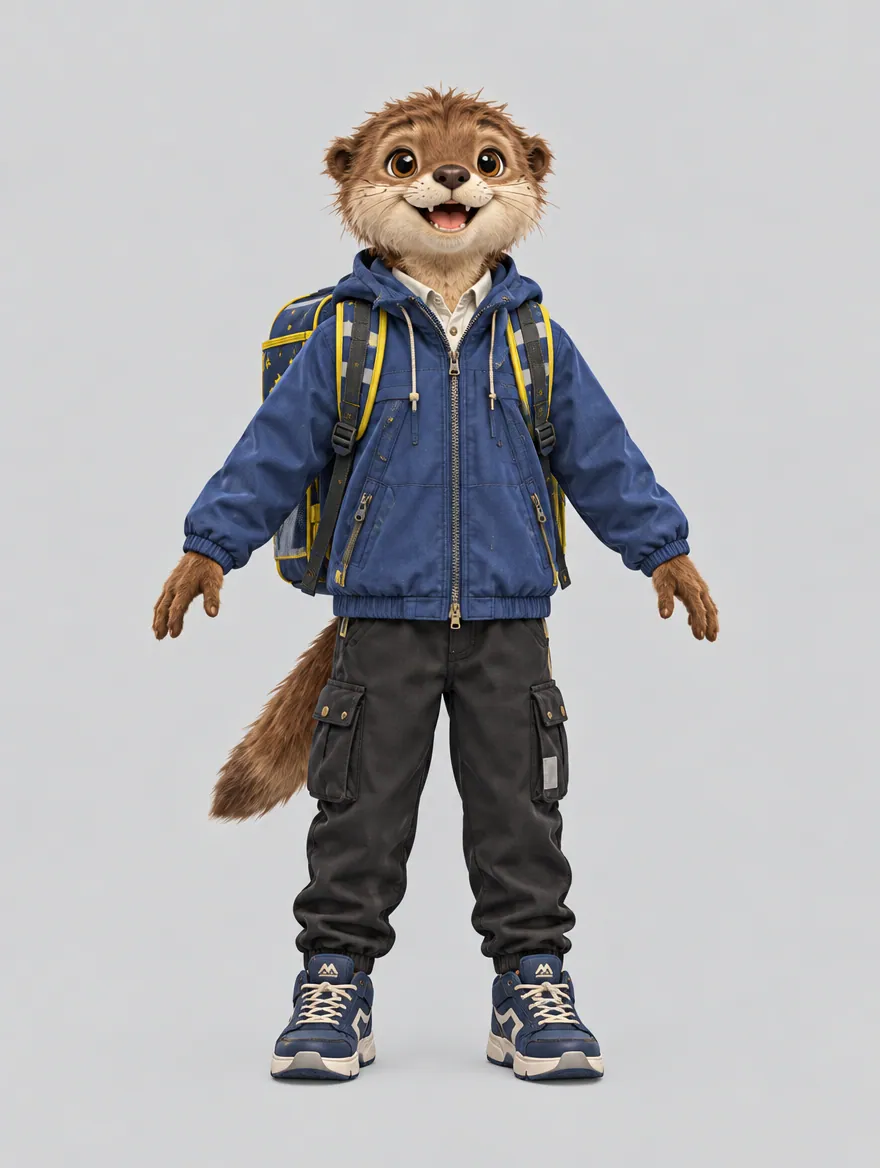
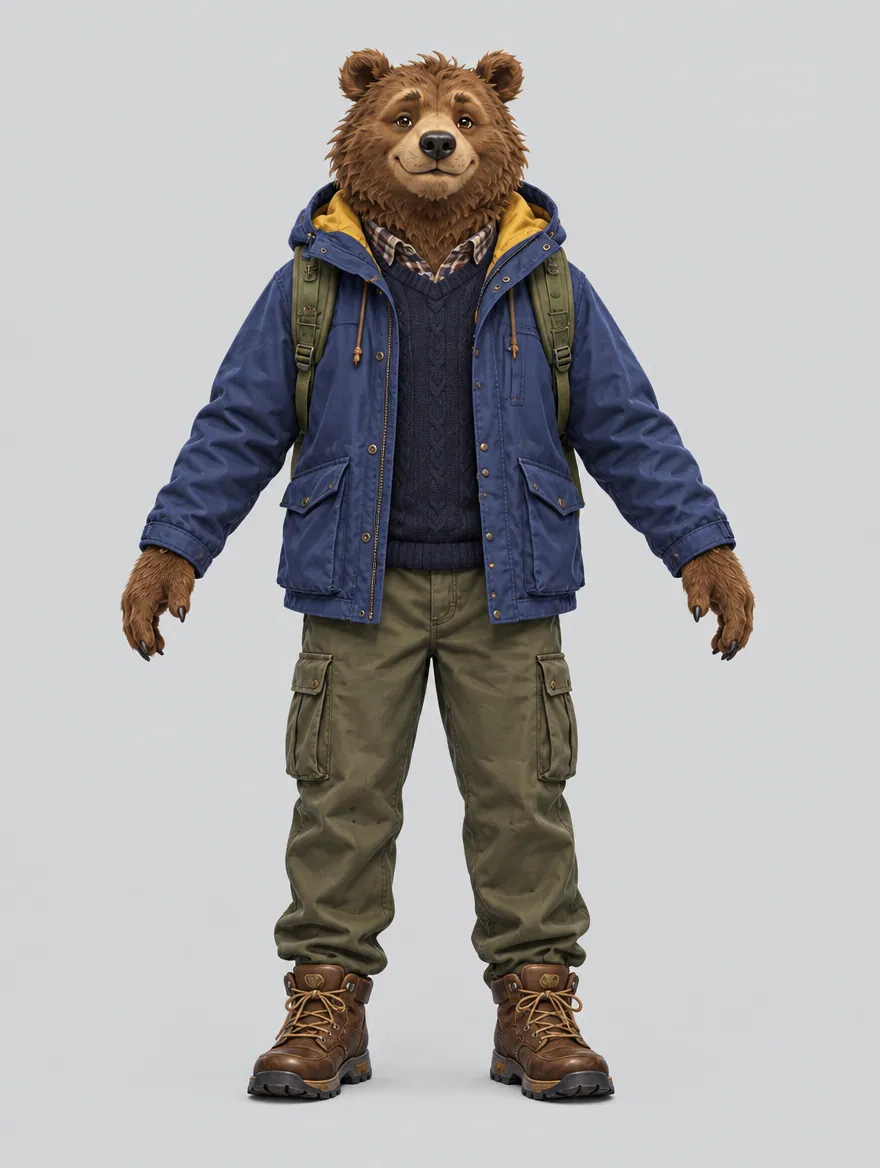
THE JOURNEY
FOUR DAYS. TWO WEEKS. STILL GOING.
- Day 4: a link my kids could play. The real old town, ramps from street junk, a sunset crowd on Klemensplatz.
- Week 2: races, a treasure hunt, rooftops, a living town, a story in five chapters. And it runs on phones.
- Now: six riders rebuilt from scratch. That's where I learned the most.
MY TOUGHEST PLAYTESTERS
LUKAS AND LUCIA PLAY IT. AND THEY JUDGE IT.
They don't read release notes. They play, and they say it straight.
Each came with their own ideas and their own wish list. Two kids, two different games in their heads.
Two riders carry their names, and they lead the story. They'll also pick the game's final name.
Try this: test with your real audience early. They find what's boring faster than any test.
THE PRODUCTION SYSTEM
ONE DIRECTOR. A TEAM OF MODELS.
Four days. One person. A team of AI models, each with a job:
- Claude Opus 5.5 (Anthropic) in Claude Code: the orchestrator. Plans, splits the work, writes the briefs, reviews every result. Opus at maximum effort takes the hard jobs: physics, tricks, look.
- Claude Sonnet 5.5: fast workers for clearly scoped jobs: assets, fixes, tests.
- OpenAI Astra (GPT-6 Astra, via Codex CLI): second lead for heavy code and independent review.
- Gemini 3.1 Pro and 3.8 Flash (Google, via Antigravity CLI): art-director reviews of screenshots, map data, research, plans.
- Qwen 3.6 on Ollama: an open model running locally on my Mac, sandboxed with no internet, as a third reviewer and story drafter.
The handover: one state file holds the plan, every decision and every open job. When a model hits its usage limit, a scheduled restart fires one minute after the reset and the next model picks up from that file. A watchdog checks every 30 minutes. The Mac stays awake. The game kept building overnight.
The rules: no two models edit the same file at once. No model commits code. Nothing goes online without my word.
The tools are wired in as MCP servers, so agents call them directly: Higgsfield for images, 3D models and motion; Magnific for voices and sound. The stack: three.js and Rapier physics in the browser, on laptop and phone. GitHub and Vercel to ship. Supabase for scores and accounts, coming next.
The Real Town
Map data. Real photos. OpenStreetMap gives every street, square and building outline. Street View photos give the facades. Klemensplatz. The tram stop. The Markt. The linden corner. The Suitbertus-Gymnasium. If you live here, you know them. At the end of every street: the Rhine.
From Sketch to Character
Six riders. One town.
Mila, Lukas, Nova, Lucia, Leon and Van. Teen riders with street-maker backpacks: spray cans, duct tape, zip ties. No pro gear. The recipe:
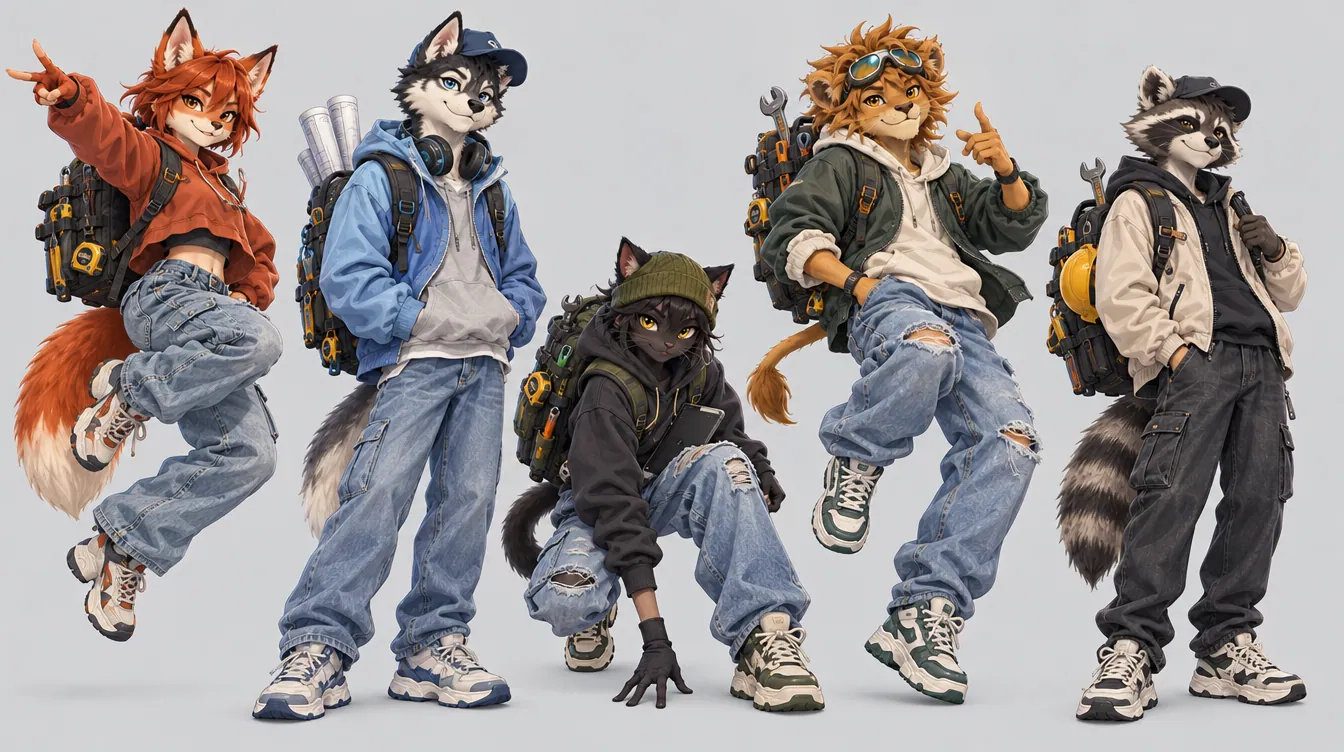
- Design: a character sheet in Higgsfield with GPT Image 2.5.
- 3D: Higgsfield turns it into a textured model with a skeleton (Meshy v7).
- Motion: 13 motion-capture clips from Higgsfield, shared by every rider: walk, run, jump, land, cheer, backflip …
- Voice: German voice lines and street sounds from Magnific (ElevenLabs).
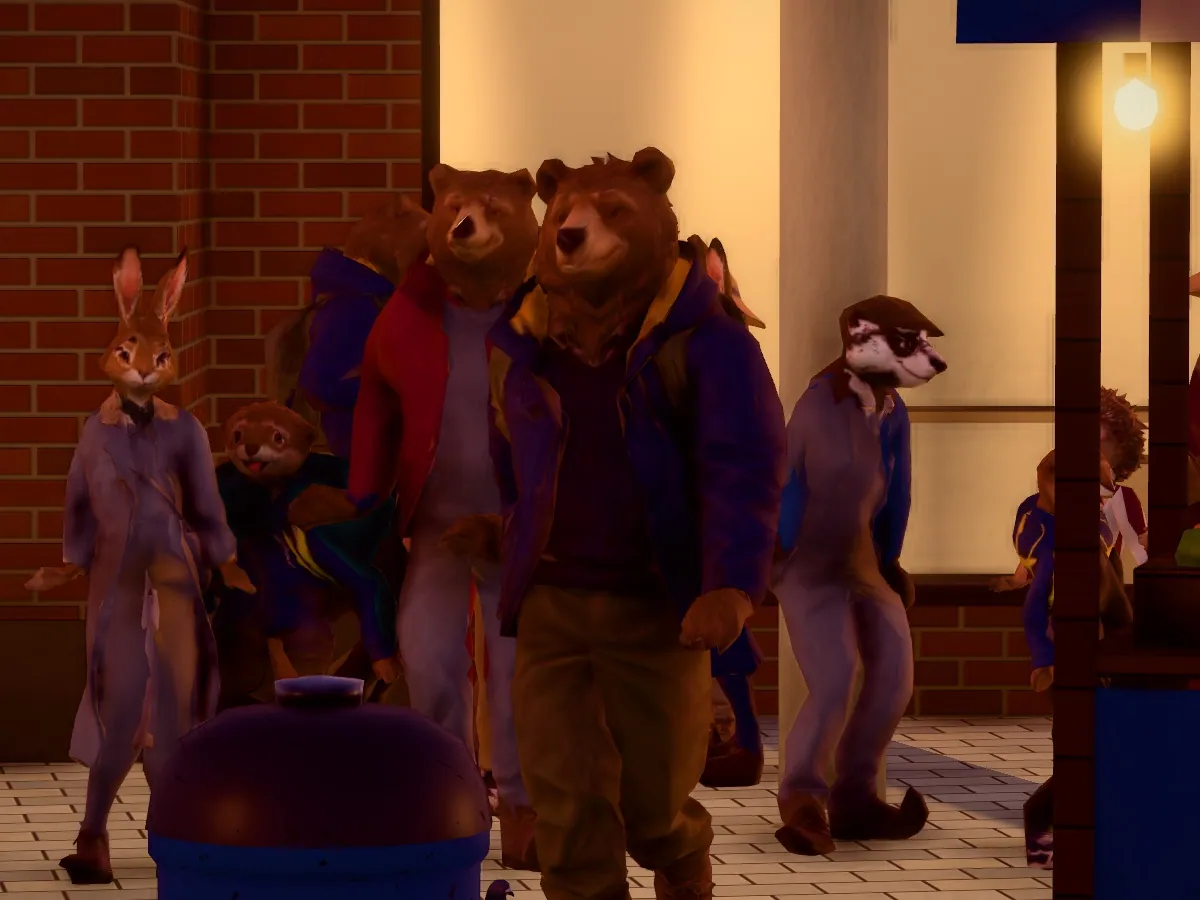
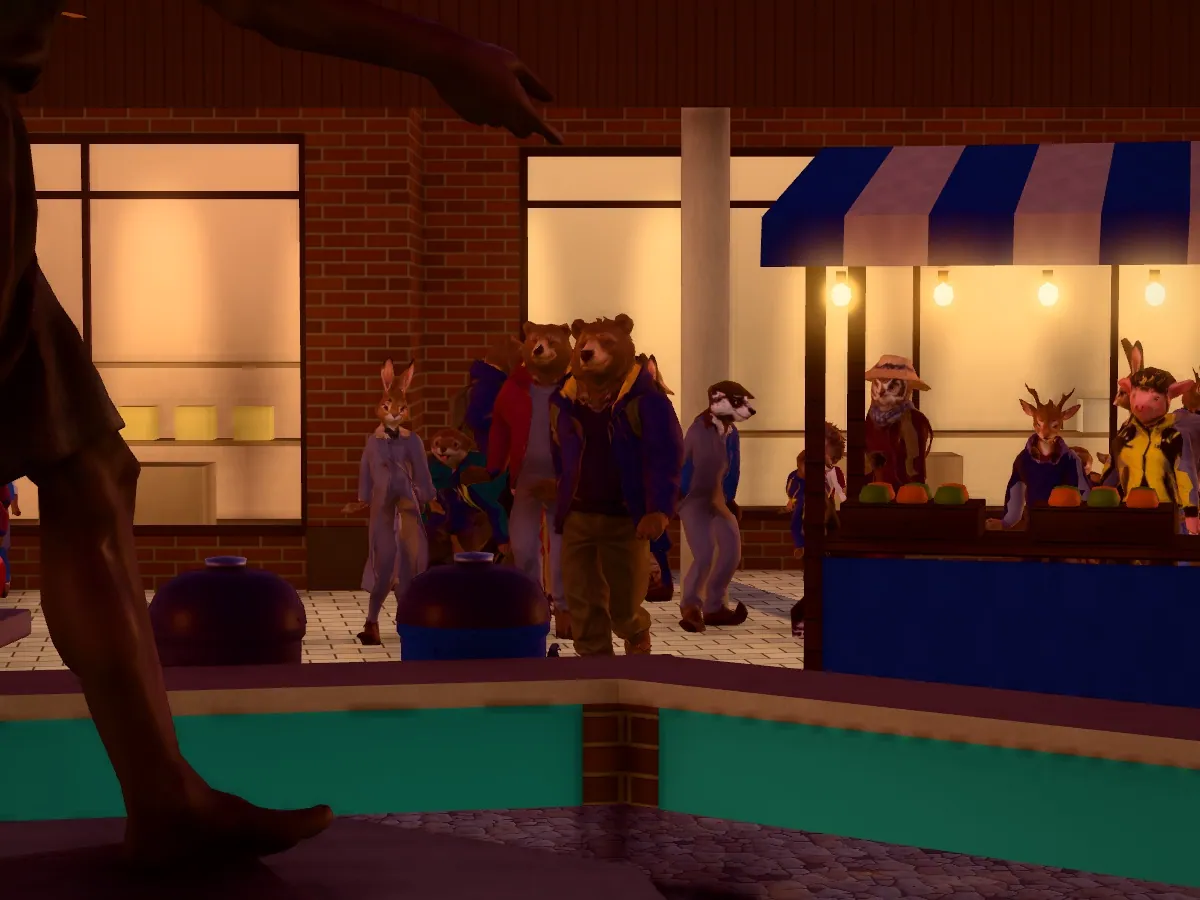
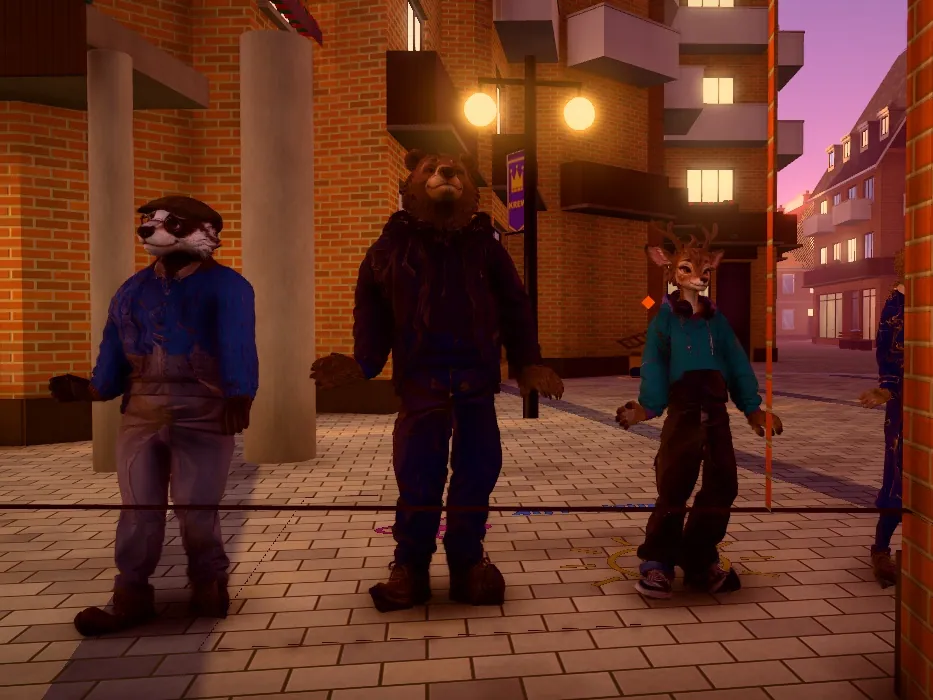
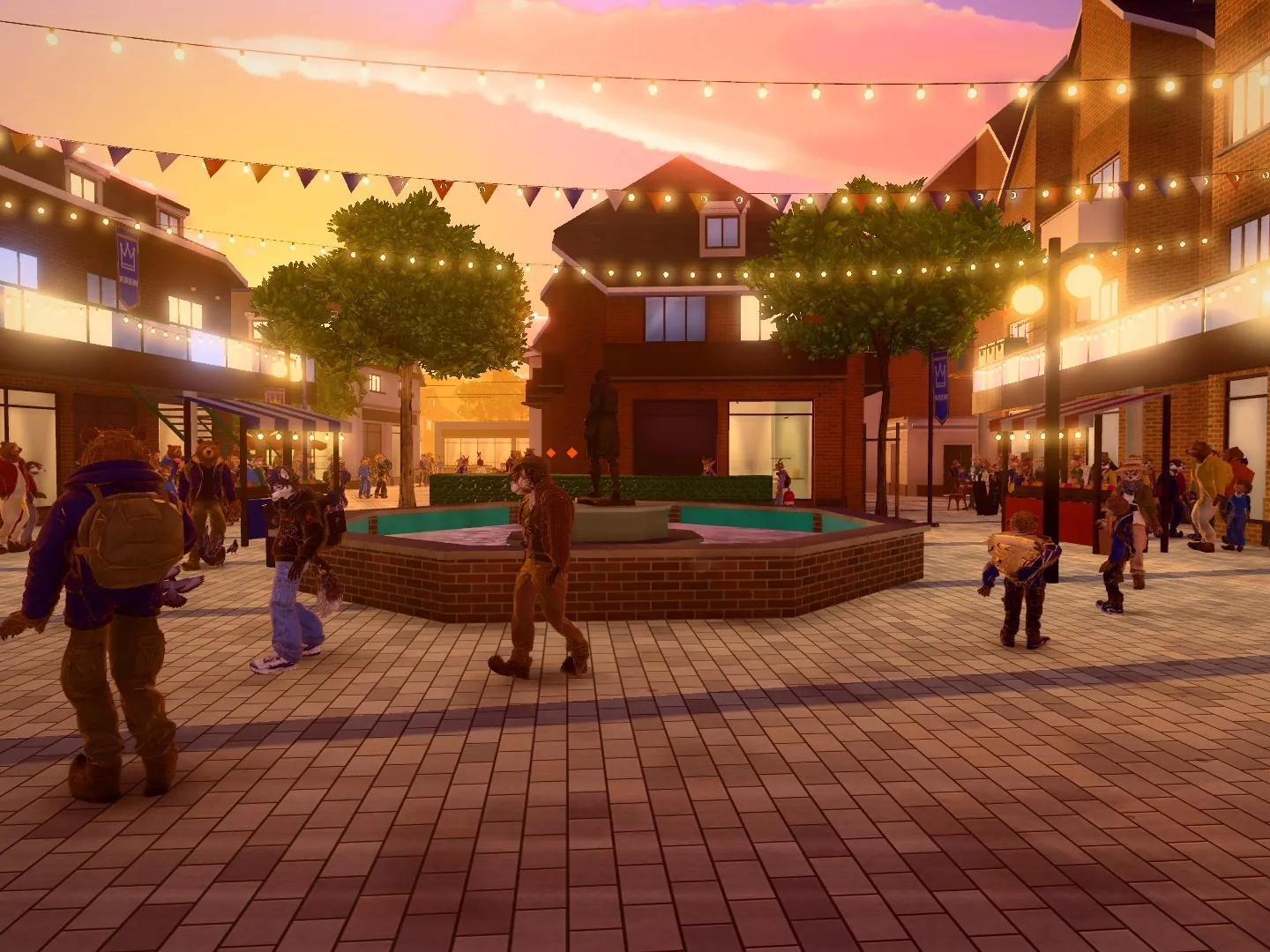
The townspeople follow the same recipe, from my own designs. They have jobs. The post gets delivered. Kids play tag. At sunset the whole town gathers at the fountain and cheers your landings. Real prompt, shortened: "Character model reference sheet for a 3D modeller: MILA, the fox girl, redrawn alone. Full body, head to toe, facing the camera, symmetrical relaxed A-pose (arms 45 degrees down and away from the body) … Keep her exactly as in the reference: anthropomorphic teen fox girl, orange-red fur …"
The Characters
My biggest mistake. My best lesson.
The first riders came fast: a character sheet, an AI 3D model, an automatic skeleton. In pictures they looked fine. In motion they didn't.
Bent legs. Pinching joints. Two riders even had a second face on the back of the head.
My mistake: I didn't start with one proper 3D skeleton and Blender.
The recipe now, version three:
- Sheet: one clean character sheet in Higgsfield.
- Shape: Tripo builds the 3D body from several views, not one.
- Skin: large, clean texture maps, so details stay sharp.
- Bones: one shared skeleton for every rider. Every move fits everyone.
- Check: Blender turns each rider through five angles and stress poses. If a joint pinches, it doesn't go in.
All six riders rebuilt in two days. Up close, clearly better.
Try this: build the skeleton first and open Blender on day one. Everything else stands on it.
How You Play
Ride. Build. Send.
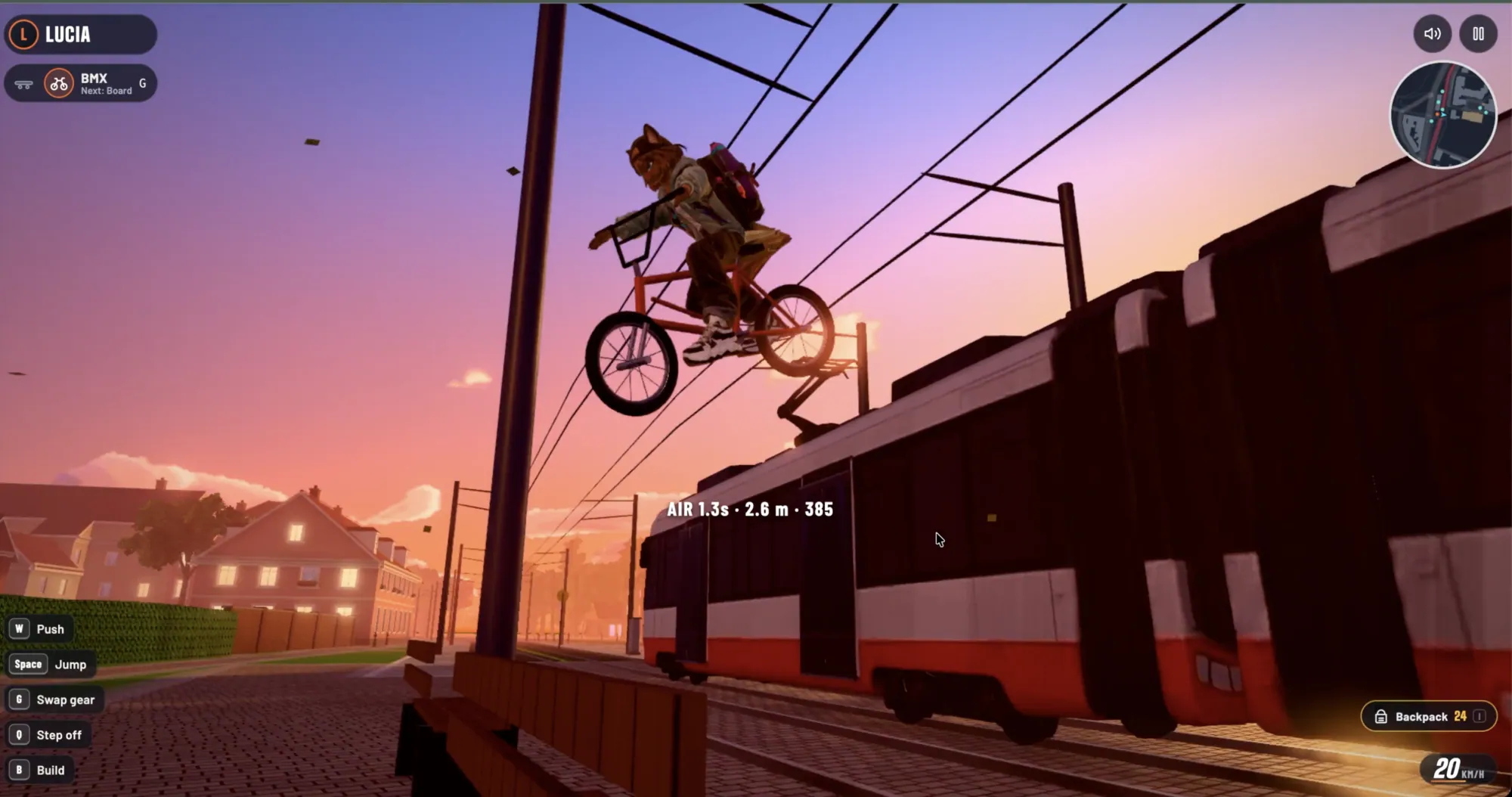
Ride the real town on BMX, skateboard, longboard, inline skates, quad skates, scooter or hoverboard. Each has its own feel. Some don't roll on grass, so you carry them or switch.
Spot a gap. Build a ramp from what the street gives you. Send it. Land it.
One score, many ways to earn it: tricks, gaps, grinds on benches and rails, slaloms through bollards and parked cars, clean landings. Link moves into a FLOW chain and the multiplier grows.
The longer you ride, the faster you go. Boost pads add a kick, and you can collect them and place your own.
Build in the middle of a street and the Ordnungsamt comes. A timer starts. Then they take it down.
The Build Kit
Street-made, not shop-bought.
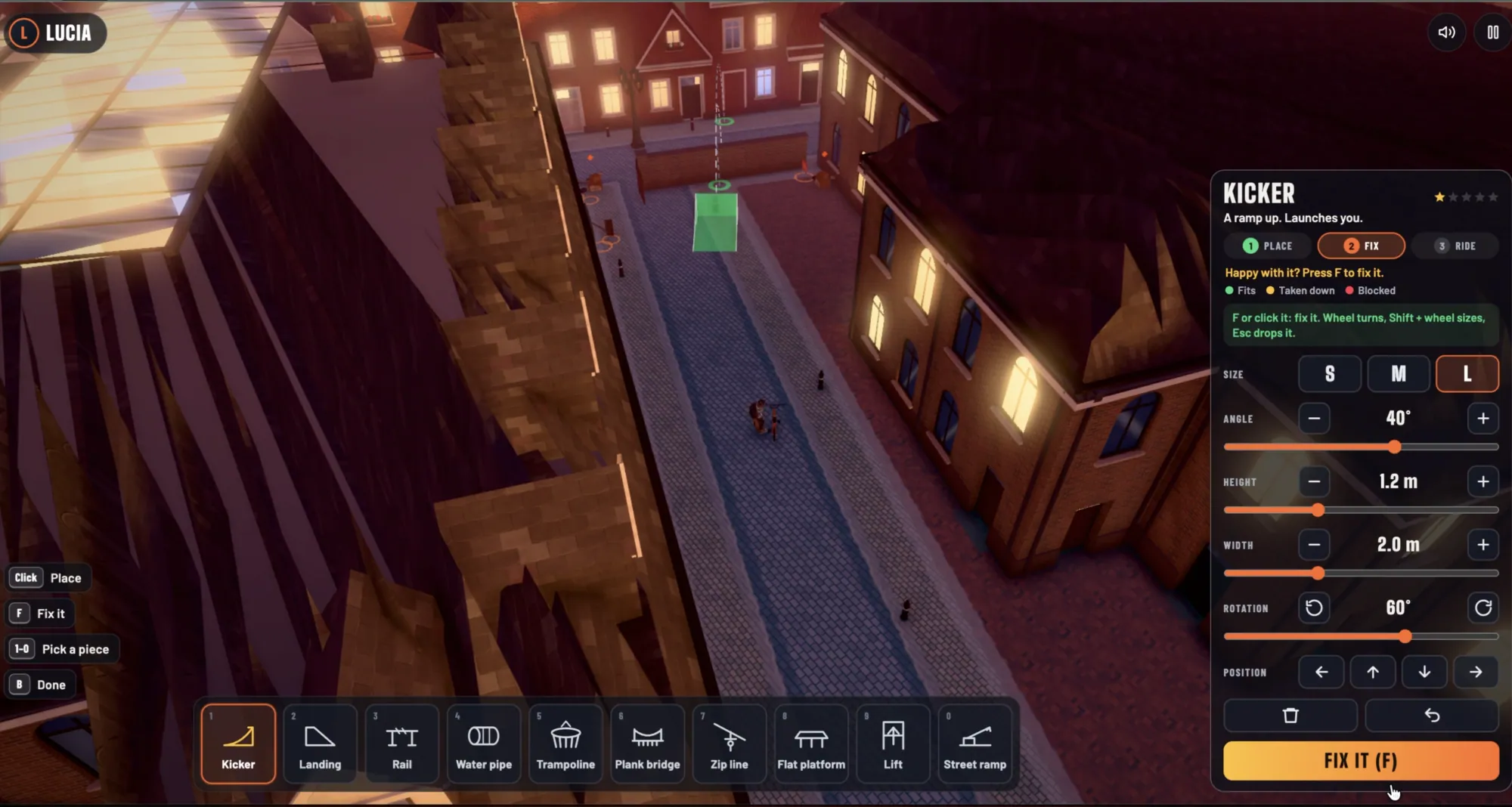
Collect materials around town: planks, pallets, old doors, crates, traffic cones, duct tape, zip ties. They come from recycling containers and "Zu verschenken" boxes, the way Germans give things away on the street. Grab one and it reappears somewhere else.
Build with the dashboard: kicker, rail, water pipe, trampoline, plank bridge, zip line. Choose size, angle and position.
Or improvise: push a bench, lay a plank on it, tape it down. Instant ramp.
Changed your mind? One key removes it. One more brings it back.
What's New
The town got bigger. And it talks back.
- Races: three levels, start arches, checkpoints.
- Treasure hunt: plaques at real landmarks. Find them and learn what each place is.
- Rooftops: the Markt Roof Run. 15 real houses, 150 metres, roof to roof.
- A living town: buses, traffic, townsfolk with daily plans.
- The story: five chapters. The kids want a fun town, the Mayor wants order. They find a deal.
- Voiced in German, playable in German and English. On laptop and phone.
Version One of the Motion
Not everything moves well yet.
This is the first iteration. Made with AI, directed by me.
Some 3D animations are still stiff. The story needs better acting: more energy in the voices, more life in the scenes.
Next round: animations version two, with better 3D motion, and a stronger story.
Try this: ship, play, list what's wrong, fix the worst first. Every round gets better.
How to Build Your Own
Five things I'd do again tomorrow.
- Picture first. Make the target image before any code. Compare every build to it.
- One state file. Plan, decisions and open jobs in one place. Any model picks up where another stopped.
- Robots test first. About 190 automatic checks, then two robot players ride for ten minutes. Red stays home.
- Phones are their own world. My story intro loaded all 163 voice lines at once and crashed the iPhone. Now it loads only what it needs.
- Play it yourself. Every build. Say what's wrong, straight.
What's Next
The next round.
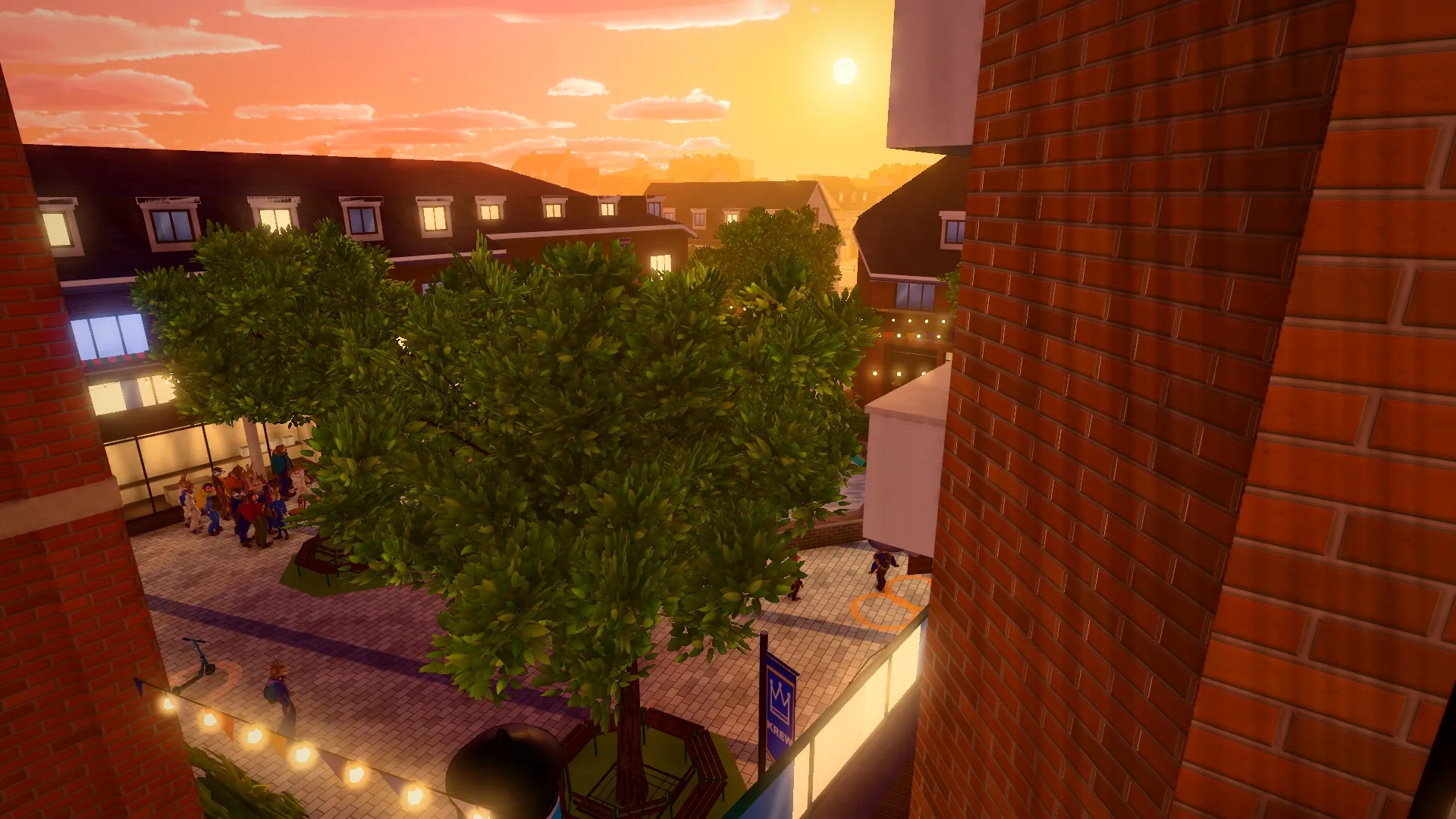
Better 3D animations. Stronger story acting. The townsfolk get the new character recipe. Riding with friends online. Badges and score tables.
I'm not a game developer. But with AI, storytelling, taste and the stamina to keep learning are enough to build great things. Without romanticism.
Comfort is the most dangerous place. It's where you think you've arrived and the learning slows down. I'd rather be where things move. Adapt. Learn. Inspire on the way.
A father-and-kids project became a new baby. A game we can give our kids. To play, to build, to discover the town where they go to school and, yes, have fun.
AI BUILDS ALONG. STORY, TASTE AND COURAGE MAKE IT GOOD.
Play it yourself, in your browser on laptop or phone: play.rapidstories.ai/kaiser-krew/play.html. And you? What would you build in your town?
 Kapten & Son
 Coca-Cola
 Creative AI Mastermind
 Desigual